








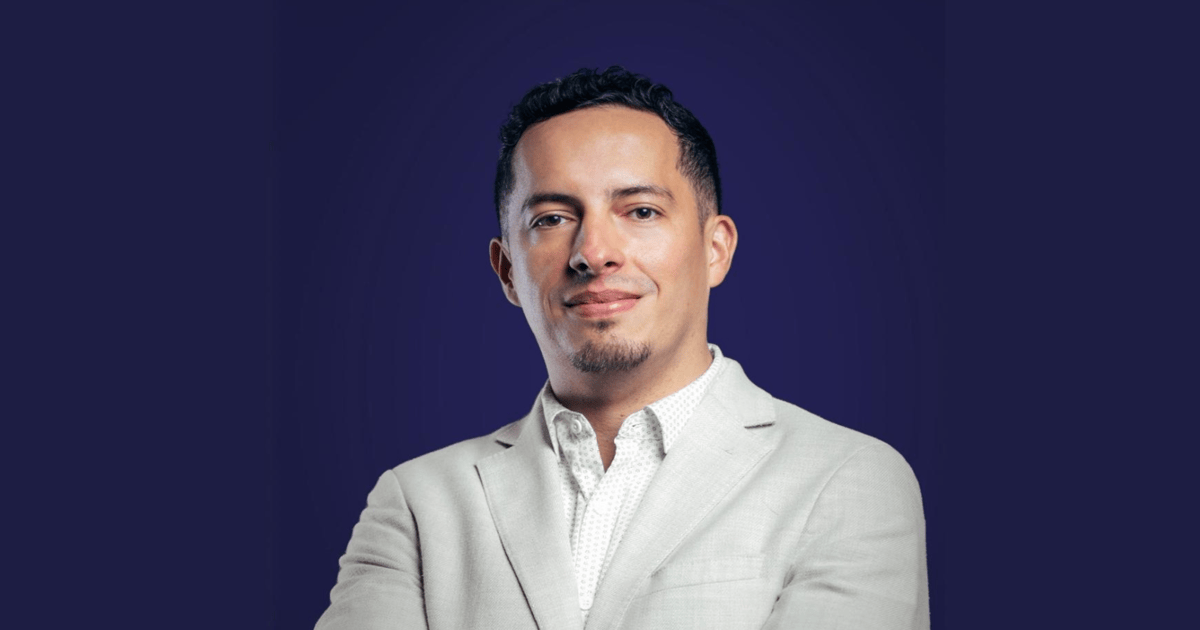
With a strategic vision that balances global scale with local execution, Cristian Robalino, who leads marketing for the Americas at SiGMA World, one of the most influential gaming industry event organizers internationally. From his position, he faces the challenge of communicating in markets as diverse as Brazil, Mexico, and the United States, each with its own maturity, regulatory framework, and cultural reality.
Read also: James Maida of GLI drives a strategic axis focused on technology and security
In this interview, Robalino shares his perspective on the transformation of marketing in the gaming sector, the role of artificial intelligence in personalizing experiences, and how SiGMA has consolidated itself as a global platform that connects ecosystems and drives business opportunities, with SiGMA South America as its main exponent in the region.
Marketing Management
In your opinion, what are the main challenges and opportunities of leading a marketing area for a region as diverse as the Americas?
The biggest challenge is undoubtedly diversity. The Americas encompass markets with different levels of maturity, very different regulatory frameworks, and unique cultural realities. Communicating for Brazil is not the same as for Mexico, the United States, or the rest of Latin America. This forces us to avoid generic approaches and to work with messages, channels, and priorities adapted to each market.
At the same time, this diversity is a huge opportunity. It allows us to connect different ecosystems, foster knowledge exchange between regions, and position events and brands as truly international platforms. When a global vision is successfully balanced with solid local execution, the impact of marketing is multiplied.
Have you seen changes in the perception of marketing in the gaming industry during your professional career?
Yes, clearly. For many years, marketing in the gaming industry was perceived primarily as a promotional function. Today, it is increasingly understood as a strategic area, closely linked to business growth, brand positioning, and building long-term relationships.
Furthermore, the focus has evolved towards content quality, message credibility, and the real value offered to audiences. In an increasingly regulated and competitive industry, marketing is no longer just about visibility, but about relevance and trust.
What lessons learned from your experience at SBC do you currently apply at SiGMA?
My experience at SBC taught me the importance of deeply understanding the audience and building events and narratives that respond to real market needs. It also reinforced the idea that successful events are not defined solely by their size, but by the quality of attendees, content, and the opportunities generated.
I apply that learning today at SiGMA, betting on a strategy that prioritizes curation, the value of in-person networking, and a clear and differentiated offering in each market where we operate.
List the qualities you consider essential in a marketing team working in the gaming industry
A marketing team in this industry must be, above all, adaptable and strategic. The ability to understand different markets, work with data, anticipate regulatory changes, and react quickly is key. Creativity, critical thinking, and a strong results orientation are also essential.
Finally, I would highlight the importance of collaboration and business understanding. A good marketing team does not work in isolation: it is aligned with sales, product, partnerships, and leadership to build a solid and coherent brand.
Technological Innovation
What digital tools do you see revolutionizing player connection and interaction?
Artificial intelligence is playing an increasingly important role in how brands connect and interact with players. AI-based tools allow for the analysis of large volumes of data in real-time to better understand user behavior, personalize experiences, and offer much more relevant content or promotions. Companies like InsightPlay.ai are a good example of how technology can help operators and platforms make more informed decisions and optimize the player experience.
Read also: Héctor Fernández leads IGT at ICE Barcelona
In addition to AI, automation platforms, mobile solutions, and personalization tools are transforming user interaction, making it more direct and efficient. In the event and B2B environment, this same approach is reflected in the use of matchmaking applications and digital platforms that facilitate pre-event connections and improve the quality of in-person interactions. Together, these tools are redefining how the industry communicates, builds loyalty, and establishes long-term relationships with its audiences.
How do you see the evolution of social media marketing for increasing engagement on gaming platforms?
Social media marketing has evolved towards a much more community-centric and authentic approach. It’s no longer just about promoting products, but about generating conversation, educating the audience, and building long-term trust. Real-time content, interactive formats, and storytelling play a key role in increasing engagement.
In this context, influencers and content creators have become strategic allies, especially for connecting with younger and digital audiences. When working with profiles aligned with the brand and message, their ability to generate closeness and credibility can have a very significant impact. In the gaming industry, combining proprietary content with well-selected collaborations is key to driving sustainable engagement.
SiGMA’s Positioning in Gaming
What makes SiGMA a benchmark in the field of major international gaming industry events?
SiGMA has established itself as a global benchmark because it combines international scale with a clear vision of leadership and quality. It is the only event organizer in the sector with major events on almost every continent, allowing it to connect markets, perspectives, and key players in a truly global way. This international presence positions SiGMA not only as an event organizer but as a platform that drives the development of the industry worldwide.
Beyond the size of its events, SiGMA stands out for its focus on content curation, the participation of influential leaders, and the creation of environments where real business opportunities are generated. Added to this is its broader ecosystem, which includes education, innovation, dialogue with governments, and social action, reinforcing its goal of becoming the world authority in gaming and a reference point for all industry players.
What do you consider to be the most important value that SiGMA brings to its participants and sponsors?
The greatest value SiGMA brings is its ability to connect the right people at the right time. For participants and sponsors, this translates into strategic visibility, access to decision-makers, and high-level business opportunities.
Beyond the event itself, SiGMA offers a comprehensive platform that combines content, networking, education, and social impact, generating value before, during, and after each meeting. In essence, our focus is on driving business growth. The ability to deeply understand their needs and objectives is what positions SiGMA as a leading reference in the industry.
SiGMA South America is approaching, how is SiGMA preparing to offer a great experience at this event?
The preparation for SiGMA South America stems from the understanding that it is the largest and most important gaming industry event in all of Latin America. This implies a very high level of planning and special attention to every detail, from content and speaker selection to the overall experience for exhibitors and attendees. The goal is for each edition to surpass the previous one, not only in size but in quality and value for the sector.
The focus is on offering a relevant and current agenda, with the participation of key leaders from the Latin American and international markets, especially reflecting the evolution and growing weight of Brazil in the industry. Added to this is a strong emphasis on networking, with spaces and formats designed to facilitate meetings, strategic conversations, and real business opportunities.
Furthermore, intensive work is being done on the attendee experience, combining efficient logistics, technology, and digital tools that allow for advance meeting planning and better use of time at the event. All of this contributes to SiGMA South America not only maintaining its position as the largest event in the sector in the region but also continuing to set the standard for what a great experience for the gaming industry in Latin America should be.
Read also: Carlos Cardama and Alessandro Valente: BiS SiGMA Americas transforms the regional igaming map