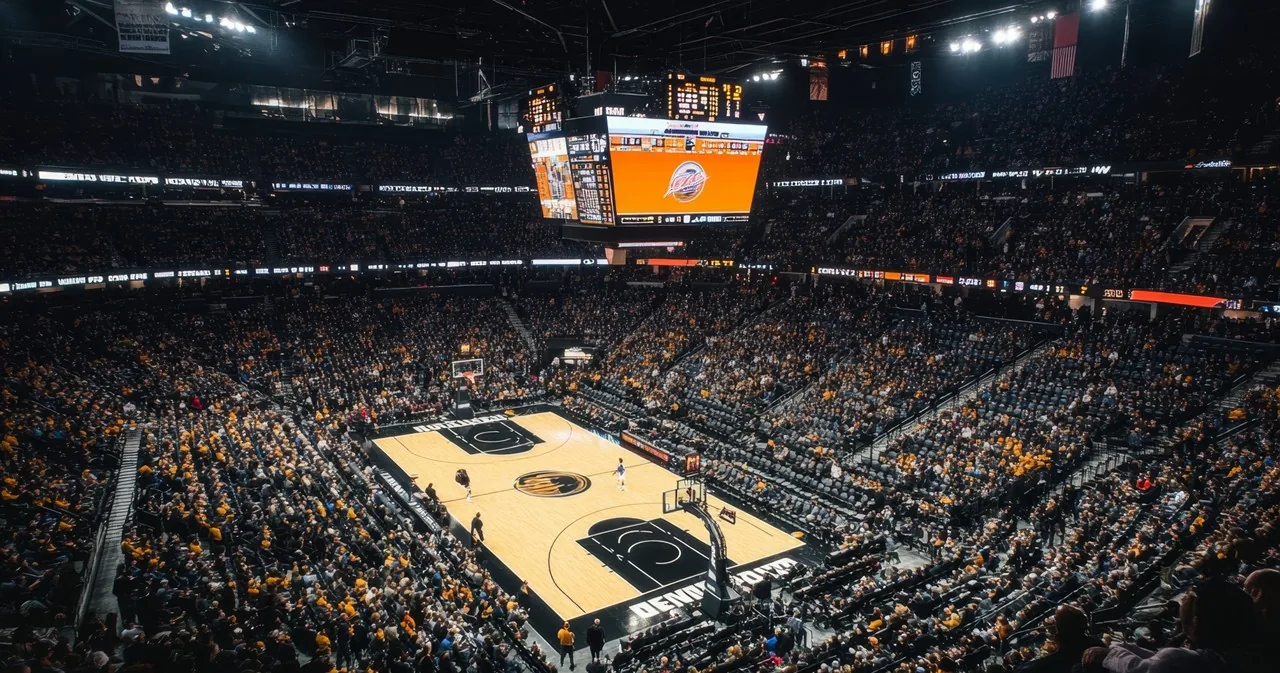










Mexico is one of the gaming markets with the greatest potential in Latin America, but it operates under a regulatory framework that dates back almost eight decades. While the industry awaits announced and never-materialized reforms, sector leaders are raising the alarm: without updated regulation, the country risks losing investments, falling behind its regional peers, and arriving at the 2026 FIFA World Cup without the necessary legal conditions to capitalize on the event.
Read more Brazil scrutinizes Apple and Google over unauthorized betting apps
Regulation that does not stand the test of time
The gaming market in Mexico is largely governed by laws that have been in force for almost 80 years. The current regulations, based on the Federal Law on Games and Lotteries, were designed in a context completely alien to the digital environment, which creates gaps and ambiguities in their current application.
This regulatory mismatch is not just a formal problem: it has direct consequences on the sector’s ability to attract investment, operate with legal certainty, and develop high-growth segments such as online gaming.
Miguel Ángel Ochoa Sánchez, president of the Mexican Association of Permittees, Operators and Providers of the Entertainment and Gaming Industry (AIEJA), describes the situation without euphemisms: the market is “insufficiently regulated,” particularly with regard to the digital sector.
The promise of reform that is still waiting
The regulatory update process has a clear starting point. In December 2024, President Claudia Sheinbaum publicly announced the need to sanction a new Federal Law on Games and Raffles and entrusted the Ministry of Interior, as the regulatory body, with the preparation of a bill to present to the legislative power.
During the first quarter of 2025, the Ministry promoted thematic working groups with private sector participation to enrich the proposal. Since then, the process has stalled.
AIEJA expected the new framework to be presented to the legislature during its first session of 2026, which closes on April 30. Ochoa acknowledges that other matters have been prioritized and that this window is about to close without news.
The 2026 World Cup as a lost opportunity
The political calendar has an unavoidable reference: the 2026 FIFA World Cup, which Mexico will co-host with the United States and Canada, will begin in June. The tournament represents an extraordinary opportunity for the sports betting sector, but everything indicates that the country will arrive at the event without a modern regulatory framework that allows it to take advantage of this momentum in an orderly and transparent manner.
Read more Businessmen in the sector are betting on a change of command in Buenos Aires casinos
Less investment, less growth
The impact of regulatory uncertainty is already reflected in the numbers. Ed Birkin, CEO of H2 Gambling Capital, warns that the absence of formal and updated regulation is causing less capital to be invested in the Mexican market, despite its enormous potential.
Birkin projects that the sector will grow by 20% in 2025, a positive figure in absolute terms, but notably lower than the 40% recorded the previous year. The slowdown is due, in part, to the lack of regulatory clarity that discourages operators from committing resources in an environment of high uncertainty.
The regulator, absent from dialogue with the industry
Alfredo Lazcano and Andrea Avedillo Builla, from the Mexican law firm Lazcano Sámano, add another critical element to the diagnosis: the Ministry of Interior (SEGOB), in its role as sector regulator, has maintained poor communication with the industry in the last two years.
“In the last two years, the regulator has not maintained a particularly active or constant dialogue with the industry,” the specialists noted, adding that this lack of participation is not usually characteristic of a market that fully thrives. In their analysis, the sector’s trajectory will largely depend on whether the authorities move towards greater coordination and provide the regulatory clarity that the market has been demanding for some time.
A sector waiting, with untapped potential
The contrast between the potential of the Mexican market and the state of its regulatory framework is the central axis of the sector’s demand. Mexico has a population of more than 130 million people, a growing penetration of online gaming, and a favorable demand environment. However, these assets do not translate into investment or orderly development as long as legal uncertainty persists.
The question that sector players are asking aloud is when the updated regulations will arrive. For now, the answer remains the same: no one knows for sure.
Read more Jamaica completes its regulatory framework for casinos, but the first project has yet to materialize