









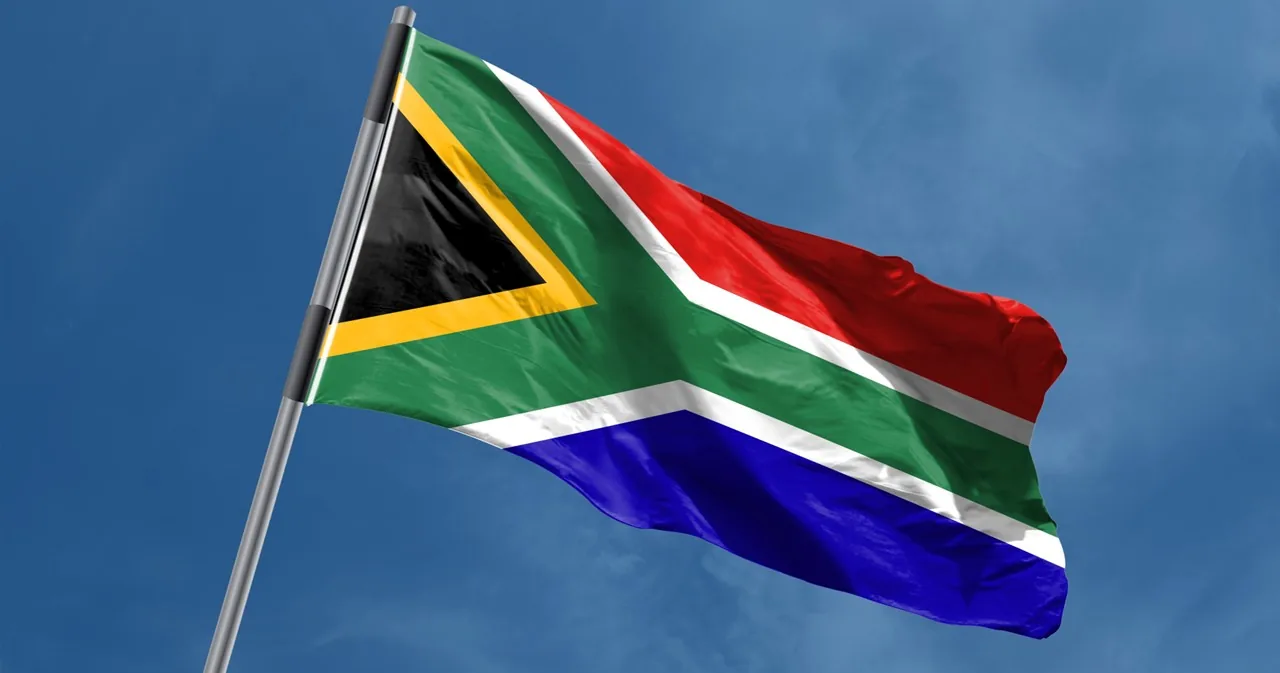
In South Africa, the National Gambling Board of South Africa (NGB) introduced a new online verification portal that allows any user to check if a gambling operator is licensed to operate in the country. The platform, accessible through the body’s official website, was developed in collaboration with provincial licensing authorities (PLA) and constitutes the most comprehensive registry available to date on authorized operators in the South African market, both land-based and digital.
Read more Constitutional Court of Colombia annuls Petro’s emergency and blocks VAT on online gambling
What the NGB portal is and how it works
The portal contains a searchable registry of all gambling operators with a current license in South Africa. Its database will be continuously updated and will be available not only to the general public but also to law enforcement agencies, tax authorities, and financial institutions. The goal is to turn it into a cross-cutting tool that strengthens sector oversight at multiple levels.
The rule is simple: only operators listed on the portal are legally authorized to offer gambling services in the country. If an operator does not appear on the list, its activity is illegal under current South African legislation.
A “fundamental step” for consumer protection
Lungile Dukwana, acting CEO of the NGB, stressed that the initiative seeks to protect citizens from the risks associated with unregulated gambling. According to the official, the platform offers the public a reliable resource to verify operators before betting, and ensures that those who choose to participate in gambling activities can do so in a safe, regulated environment with access to dispute resolution mechanisms.
The NGB also highlighted that betting through authorized operators ensures compliance with responsible gambling protocols and anti-money laundering regulations. In this sense, the portal functions not only as a transparency tool but as an active protection mechanism for the player.
The South African market: accelerated growth and persistent regulatory challenges
South Africa is the largest regulated gambling market on the African continent, overseen by both national and provincial regulatory bodies. According to the NGB, during the 2024/2025 fiscal year, the equivalent of $89.000 million was wagered in the country, representing a 31,3% increase over the previous year. A notable growth that, however, is accompanied by increasingly visible regulatory tensions.
Read more 50% gambling tax in Mexico triggers risk of illegal market, warns AIEJA
The South African legal framework has struggled to adapt to the advancement of cross-border online gambling and offshore operators targeting local players without authorization. This situation is exacerbated by a recent Gauteng High Court ruling that reaffirmed the illegality of online casinos under current national legislation, while exposing inconsistencies in law enforcement at the provincial level.
62% of online gambling comes from unlicensed operators
The magnitude of the problem is evident from data from the South African Bookmakers’ Association (SABA), which estimates that 62% of online gambling in the country comes from operators lacking a license. It is in this context that the NGB verification portal takes on special relevance: by making it visible who operates legally, it seeks to tilt player decisions toward authorized platforms.
The board also announced that it plans to collaborate with financial institutions to use the list as a blocking tool, preventing unlicensed operators from facilitating transactions through South African banks and payment providers. If effectively implemented, this measure could significantly hinder the operation of illegal platforms in the local market.
The debate over the 20% GGR tax and its possible boomerang effect
In parallel with these regulatory efforts, the South African government is studying the introduction of a 20% tax on gross gambling revenue (GGR). The measure is generating controversy within the sector. A spokesperson for the Free Market Foundation warned that a higher tax burden could have the opposite effect of what is intended: pushing more users toward offshore online casinos that operate outside the regulatory framework and do not contribute to the treasury. The dilemma is the same one Mexico faces with its recent 50% tax on GGR: the line between collecting more and emptying the regulated market in favor of the illegal one is thinner than it seems.
Read more General elections in Peru 2026: exit poll, second round and keys to the day