








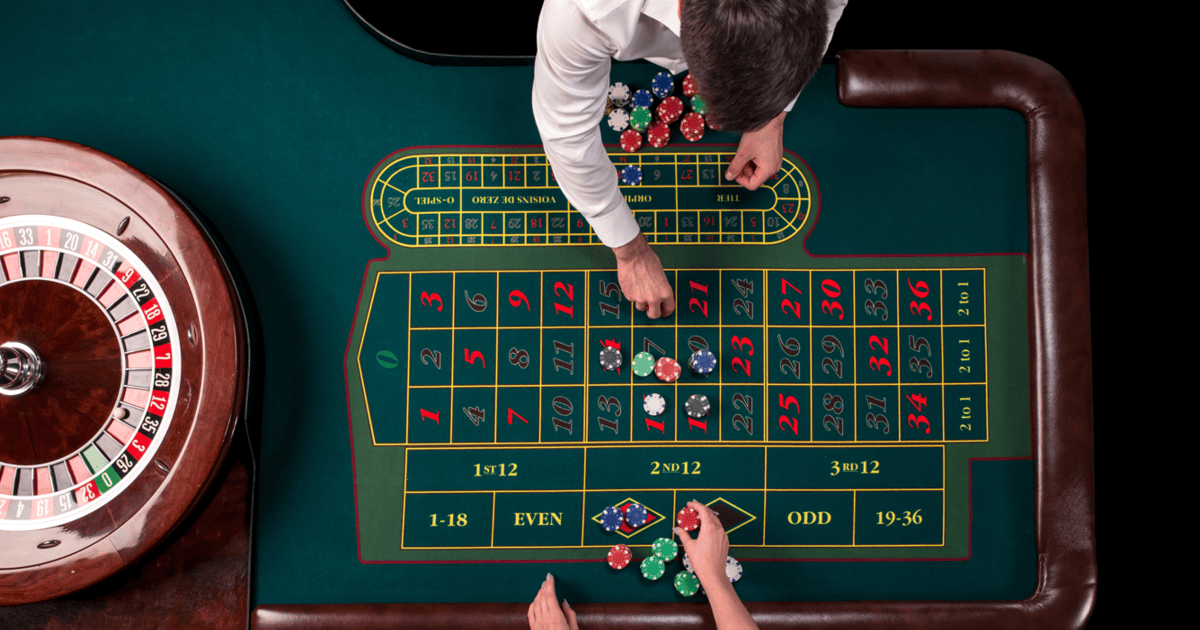
More than just gaming rooms, these European temples today function as spaces where heritage, modern regulation, and high-value tourism coexist with centuries of history.
Read also: Dominican Republic promotes regulation of casinos on cruise ships
Amidst marble, opulent halls, and centuries-old facades, the great European casinos have transcended their original function to become authentic living museums of leisure, sociability, and culture. Far from being mere betting spaces, these historic houses integrate architecture, regulation, tourism, and tradition, remaining relevant in a digitally dominated environment.
Below, we present four gaming houses selected for their combination of history, design, cultural relevance, and ability to adapt to the new era of regulated entertainment.
THE ELEGANCE OF MONTE CARLO
Renowned for its security, stability, and exclusive lifestyle, Monaco is one of Western Europe’s most unique enclaves. This small, yet glamorous sovereign state is located on the French Riviera, with a famous marina and the historic center in “The Rock” where the Prince’s Palace, the Cathedral, and the Oceanographic Museum are located, among other tourist attractions like its luxurious casinos.
The Monte Carlo Casino is an icon of European luxury and one of the most representative buildings of the Belle Époque. Immortalized in films like Casino Royale in the first mission of agent 007 James Bond, where its majesty, construction, and decoration associated with the Belle Époque are appreciated. The complex, inaugurated in the 19th century by the Société des Bains de Mer, also includes, for its clients and tourists, the Grand Theatre de Monte-Carlo, an opera house, and a ballet house, offering classic tables (roulette, blackjack, poker) and elegant rooms in the heart of the medieval town.
Designed in 1879 by Charles Garnier, the architect of the Paris Opera, the casino displays a monumental aesthetic marked by ornate facades and bas-relief stained glass windows that evoke a universe of stories, anecdotes, and social rituals. Today, Monte Carlo represents a model where regulated in-person gaming integrates with culture, tourism, and architectural heritage.
THE HISTORIC CASINO DI VENEZIA
Nearly 500 kilometers from Monaco, Venice is home to the oldest casino in Italy and the world: the emblematic Casino Di Venezia. Founded in 1638, it was originally located in the old Ridotto di San Moisè. Today, housed in the Ca’ Vendramin Calergi palace on the Grand Canal, it represents a blend of heritage, music, and gaming. Di Venezia is a Renaissance palace with halls that function as a cultural stage, ideal for capturing cherished memories amidst marble and classic tables.
Di Venezia is the perfect example of a noble residence, offering authentic entertainment with its games of fair roulette, French roulette, punto banco, hand-held punto banco cards, blackjack, and Chemin de fer, which usually has tables with higher minimum bets than roulette.
Entry to the casino’s gaming rooms is restricted solely to adults in possession of a valid original identification document. Acceptable forms of identification include an ID card, a driver’s license, or a passport.
GLAMOUR AND BRILLIANCE OF BADEN-BADEN
The Spielbank Baden-Baden represents a classic way of understanding gaming, linked to spa culture and German aristocracy. Its palatial interiors with strict etiquette make it an ideal setting where gaming intersects with history, refinement, and the world of fashion.
Baden-Baden combines style, history, exclusivity, and elegance. It is one of the most traditional in Europe, with almost 200 years of offering a wide range of entertainment in a dazzling atmosphere with new gaming areas such as the Bénazet Room or the Pavilion. Furthermore, it provides a captivating experience with readings, dance evenings, fashion shows, and cabaret, which have impressed numerous personalities and Hollywood legends.
A CASINO FACING THE SEA IN BARCELONA
Closing the circuit of leisure and entertainment culture, Barcelona presents a different model of European casino: urban, contemporary, and integrated into the city’s cultural fabric. Located facing the Mediterranean, Casino Barcelona combines gastronomy, cultural programming, and an active in-person poker scene.
This space represents the evolution of the traditional casino towards a hybrid format, designed for both experienced players and those seeking a social experience linked to learning the game. Poker, in particular, is consolidated as an alternative that prioritizes interaction, strategy, and training guided by professional dealers.
Beyond competition, Casino Barcelona reflects how regulated gaming can coexist with urban tourism, culture, and new forms of entertainment, aligning with the demands of a modern audience without losing the control and responsibility standards of the Spanish market.
The great European casinos demonstrate that, even in a digitally dominated era, in-person gaming retains a cultural and symbolic value that is difficult to replicate online. Monte Carlo, Venice, or Baden-Baden survive not out of nostalgia, but because they knew how to transform themselves without renouncing their identity.
When the lights of the tables dim and the last chip is put away, what remains is not just the memory of the game, but the echo of centuries of history revolving among architecture, travelers, and traditions that are still alive.
Read also: The Choice starts with BetConstruct AI at ICE Barcelona 2026