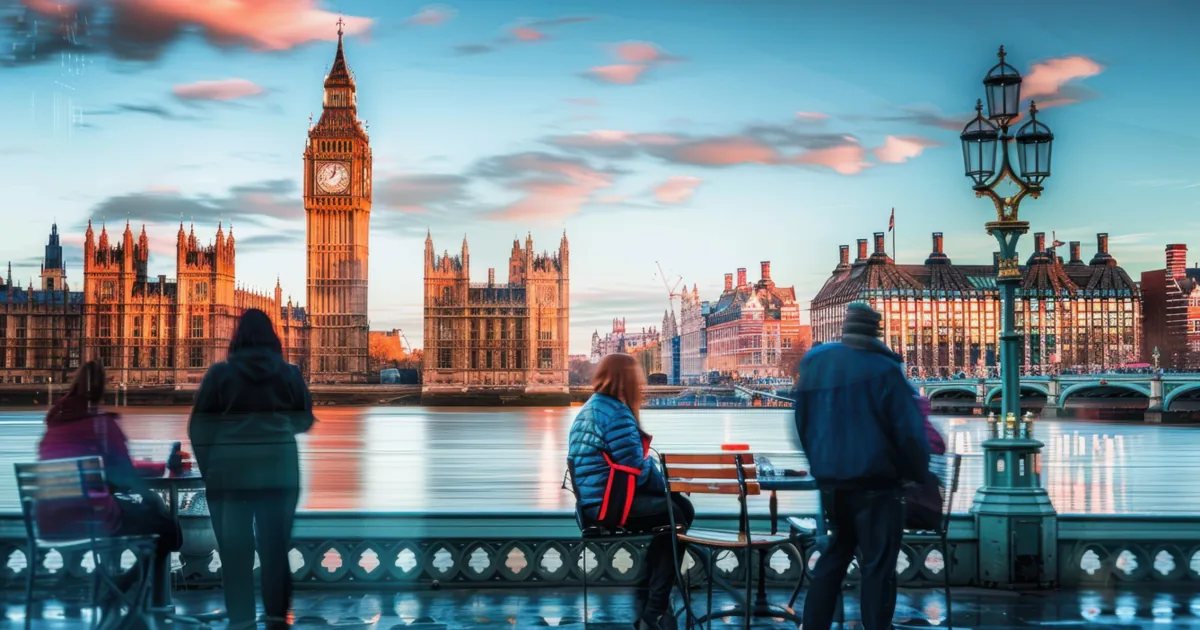










Europe reaffirms its position as the epicenter of global tourism with the arrival of 95 million visitors in 2024, an 11% increase compared to the previous year, according to preliminary data from the Tourism Movements at Borders Statistics (FRONTUR), compiled by the National Institute of Statistics (INE). This boom not only drives historical records in revenues from key sectors such as accommodation, gastronomy, and cultural activities but also highlights the relevance of specialized segments, such as casino tourism.
Read also: Bogotá: Historical wealth and cultural diversity
More than just gaming hubs, European casinos have become true luxury destinations, offering exclusive experiences that blend entertainment, history, and sophistication.
EPICENTERS OF UNIQUE EXPERIENCES
Cities like Monaco, home to the iconic Monte Carlo Casino, position themselves as leaders in luxury tourism, attracting millions of visitors annually and generating significant economic impact. Furthermore, tourists who choose Monaco typically spend up to 30% more than the average on premium services, reinforcing its role as a key economic driver for the region.
In countries like Spain, the tourism sector has experienced a notable boom in 2024, with estimated spending reaching €86.471 billion between January and August, representing a 17.6% increase compared to the previous year, according to data from the National Institute of Statistics (INE). In this context, casino tourism has gained relevance, driven by emblematic destinations such as the Gran Casino de Madrid and Casino Barcelona. These establishments attract both international and local tourists, especially those with high purchasing power.
On the other hand, France also stands out as a benchmark in the casino sector, not only for its network of traditional establishments but also for its constant technological innovation. Over the past few years, the gaming industry has experienced significant growth, with the inclusion of new technologies and online platforms that enhance the player experience. These advancements allow for more interactive games, such as 3D or metaverse experiences, merging the physical and digital environments and attracting both experienced players and a new generation of younger, more digital users.
For its part, the United Kingdom has adopted a hybrid strategy in its casino market, combining the physical experience of traditional casinos with online gaming platforms. This formula has allowed it to attract a diverse audience, from industry veterans to a younger generation that prefers the convenience and accessibility of digital platforms.
A PATH TO SUSTAINABILITY
Casino tourism has the potential to profoundly transform the economic and social dynamics of the communities where it develops. On one hand, it is a generator of direct and indirect employment: from jobs within the casinos themselves to opportunities in complementary sectors such as hospitality, gastronomy, transportation, and tourism services. Likewise, it drives urban and regional infrastructure development, including roads, airports, and shopping centers, which can enhance local quality of life and attract new investments.
However, the economic benefits come with significant social challenges. Among the most notable risks is gambling addiction, a disorder that can affect both locals and tourists, with consequences such as mental health problems, indebtedness, and family breakdown. In economically vulnerable communities, where employment alternatives are limited, easy access to gambling can exacerbate inequalities, generate dependency, and increase rates of social exclusion.
Faced with these challenges, several countries have adopted preventive measures and strict regulations to mitigate the risks associated with casino tourism, such as:
• Financial education: In countries like the United Kingdom and France, educational programs have been established to equip citizens and tourists with tools for managing their personal finances. Some casinos even offer educational resources to their visitors as part of their commitment to responsible gambling.
• Specialized psychological care: Scandinavian countries, especially Sweden and Norway, lead in implementing mental health services to address gambling addiction. These include 24-hour helplines, rehabilitation centers, and free therapy for those developing gambling-related problems.
• Advertising regulation: Strict advertising regulation is standard in the European Union. Spain, for example, limits the broadcast of gambling advertisements to specific times and prohibits their dissemination during sporting events aimed at minors. Other countries, such as Italy, have implemented near-total restrictions on gambling promotion to minimize the impact on vulnerable audiences.
• Promotion of responsible gambling: Germany and the Netherlands have pioneered the implementation of technological tools that promote responsible gambling. These include personalized spending limits, real-time notifications about time and money spent, and centralized self-exclusion systems that allow players to block themselves from all casinos, both physical and online.
• Community reinvestment: The social reinvestment model is particularly notable in Finland, where gambling revenues are managed by the state and channeled into public benefit projects. Similarly, in Austria, collected taxes are allocated to community development funds that benefit vulnerable populations. These measures have allowed Europe to establish a balance between the economic development driven by casino tourism and social responsibility, serving as an example for other regions seeking to minimize the risks associated with this industry.
LOOKING AHEAD
Casino tourism in Europe is undergoing a transformation. From the integration of artificial intelligence to offer personalized services to the organization of cultural events such as concerts, film festivals, and art exhibitions, casinos are expanding their reach to attract a more diverse audience. Furthermore, the rise of integrated resorts, such as City of Dreams Mediterranean in Cyprus or Resorts World Birmingham in the United Kingdom, offers complete experiences that combine luxury, entertainment, and exclusivity, consolidating Europe as a benchmark in the sector.
Technological innovation also plays a key role in this evolution. With the explosive growth of online gaming, casinos have adopted hybrid models that connect the physical and digital, while projecting a 7% annual growth until 2030. Countries like Spain are revitalizing historic complexes, and others like Italy are betting on strategic expansion in key cities. At the same time, marketing campaigns aim to capture millennial and centennial generations through immersive experiences, influencer collaborations, and interactive giveaways. This comprehensive approach not only drives tourism but also redefines the image of casinos as centers of culture, entertainment, and modernity.
THE FUTURE: A BLENDED EXPERIENCE
The future of physical casinos lies in creating an experience that combines physical and digital gaming. Casino operators are already exploring hybrid models where players can start a game online and finish it in a physical location or use reward points earned online to obtain benefits during in-person visits. As the gaming industry evolves, the most significant growth will come from the integration of physical and online casinos. Therefore, only casinos that can innovate and adapt to both worlds will thrive in these times.
The impact of casino tourism in Europe
The casino industry in Europe is evolving toward a more inclusive and sustainable tourism model. With luxury destinations, technological innovations, and social reinvestment strategies, the sector is emerging as a key driver of economic and cultural development in the region.
Read also: Cartagena: Charm and culture in the heart of the Caribbean
Europe reaffirms its position as a global tourism epicenter with the arrival of 95 million visitors in 2024, an 11% increase compared to the previous year, according to preliminary data from the Tourism Movements at Borders Statistics (FRONTUR), compiled by the National Institute of Statistics (INE). This surge not only drives record-breaking revenues in key sectors such as accommodation, gastronomy, and cultural activities but also highlights the significance of specialized segments like casino tourism.
More than just gaming hubs, European casinos have become true luxury destinations, offering exclusive experiences that blend entertainment, history, and sophistication.
EPICENTERS OF UNIQUE EXPERIENCES
Cities like Monaco, home to the iconic Monte Carlo Casino, position themselves as leaders in luxury tourism, attracting millions of visitors annually and generating significant revenue and positve local economic impact. Moreover, tourists visiting Monaco typically spend up to 30% more than average on premium services, reinforcing its role as huge economic driver for the region.
In countries like Spain, the tourism sector has experienced notable growth in 2024, with estimated spending reaching €86.471 billion between January and August—up 17.6% compared to the previous year, according to INE data. Within this context, casino tourism has gained prominence, driven by iconic destinations such as the Gran Casino de Madrid and Casino Barcelona. These establishments attract both international and local tourists, particularly those with high purchasing power.
Meanwhile, France stands out as a leader in the casino sector, not only for its network of traditional establishments but also for its consistent technological innovation. Over recent years, the gaming industry has seen significant growth, incorporating new technologies and online platforms that enhance the player experience. These advancements include interactive games, 3D experiences, and metaverse integrations, merging physical and digital environments to attract both seasoned players and a younger, more tech-savvy audience.
The United Kingdom, for its part, has adopted a hybrid strategy in its casino market, combining the physical experience of traditional casinos with online gaming platforms. This approach has enabled the attraction of a diverse audience, ranging from industry veterans to younger generations who prefer the convenience and accessibility of digital platforms.
A PATH TO SUSTAINABILITY
Casino tourism has the potential to profoundly transform the economic and social dynamics of the communities it impacts. On one hand, it generates direct and indirect employment opportunities—from jobs within casinos to roles in complementary sectors such as hospitality, gastronomy, transportation, and tourism services. Additionally, it drives urban and regional infrastructure development, including roads, airports, and shopping centers, which can enhance local quality of life and attract new investments.
However, economic benefits come with significant social challenges. One of the most notable risks is gambling addiction, a disorder that can affect both locals and tourists, leading to issues such as mental health problems, indebtedness, and family breakdowns. In economically vulnerable communities with limited employment alternatives, easy access to gambling can exacerbate inequalities, foster dependency, and increase rates of social exclusion.
To address these challenges, several countries have implemented preventive measures and strict regulations to mitigate the risks associated with casino tourism, such as:
• Financial education: In countries like the United Kingdom and France, educational programs equip citizens and tourists with tools to manage personal finances. Some casinos even provide educational resources to visitors as part of their commitment to responsible gambling. • Specialized psychological care: Scandinavian countries, especially Sweden and Norway, lead in implementing mental health services to address gambling addiction. These include 24/7 helplines, rehabilitation centers, and free therapy for those developing gambling-related problems.
• Advertising regulation: Strict advertising regulations are a standard in the European Union. Spain, for example, limits gambling ads to specific time slots and prohibits their broadcast during sporting events aimed at minors. Other countries, such as Italy, have implemented near-total restrictions on gambling promotion to minimize impact on vulnerable audiences.
• Promotion of responsible gambling: Germany and the Netherlands have pioneered technological tools to encourage responsible gambling. These include personalized spending limits, real-time notifications about time and money spent, and centralized selfexclusion systems that allow players to block themselves from all casinos, both physical and online.
• Community reinvestment: Finland’s social reinvestment model is particularly notable, with gambling revenues managed by the state and channeled into public benefit projects. Similarly, in Austria, taxes collected are allocated to community development funds benefiting vulnerable populations.
These measures have enabled Europe to strike a balance between the economic development driven by casino tourism and social responsibility, serving as an example for other regions seeking to minimize the risks associated with this industry.
LOOKING AHEAD
Casino tourism in Europe is undergoing a profound transformation. From integrating artificial intelligence to offer personalized services to hosting cultural events such as concerts, film festivals, and art exhibitions, casinos are expanding their reach to attract a more diverse audience. Furthermore, the rise of integrated resorts, such as City of Dreams Mediterranean in Cyprus and Resorts World Birmingham in the UK, provides comprehensive experiences combining luxury, entertainment, and exclusivity, solidifying Europe as a benchmark in the sector.
Technological innovation also plays a key role in this evolution. With the explosive growth of online gaming, casinos have adopted hybrid models connecting physical and digital realms while projecting an annual growth rate of 7% through 2030. Countries like Spain are revitalizing historic complexes, while others like Italy are strategically expanding into key cities. Simultaneously, marketing campaigns aim to capture millennial and Gen Z audiences through immersive experiences, influencer collaborations, and interactive giveaways. This holistic approach not only drives tourism but also redefines the image of casinos as centers of culture, entertainment, and modernity.
THE FUTURE: A BLENDED EXPERIENCE
The future of physical casinos lies in seamlessly creating an experience that merges physical and digital gambling. Casino operators are already exploring hybrid models where players can start a game online and finish it in a physical location or use rewards points earned online for benefits during in-person visits. As the gambling industry evolves, the most significant growth will come from integrating land-based and online casinos. Therefore, only casinos that can innovate and adapt to both worlds will thrive in these times.
Read also: South Korean casino stocks surge on potential return of Chinese tourists