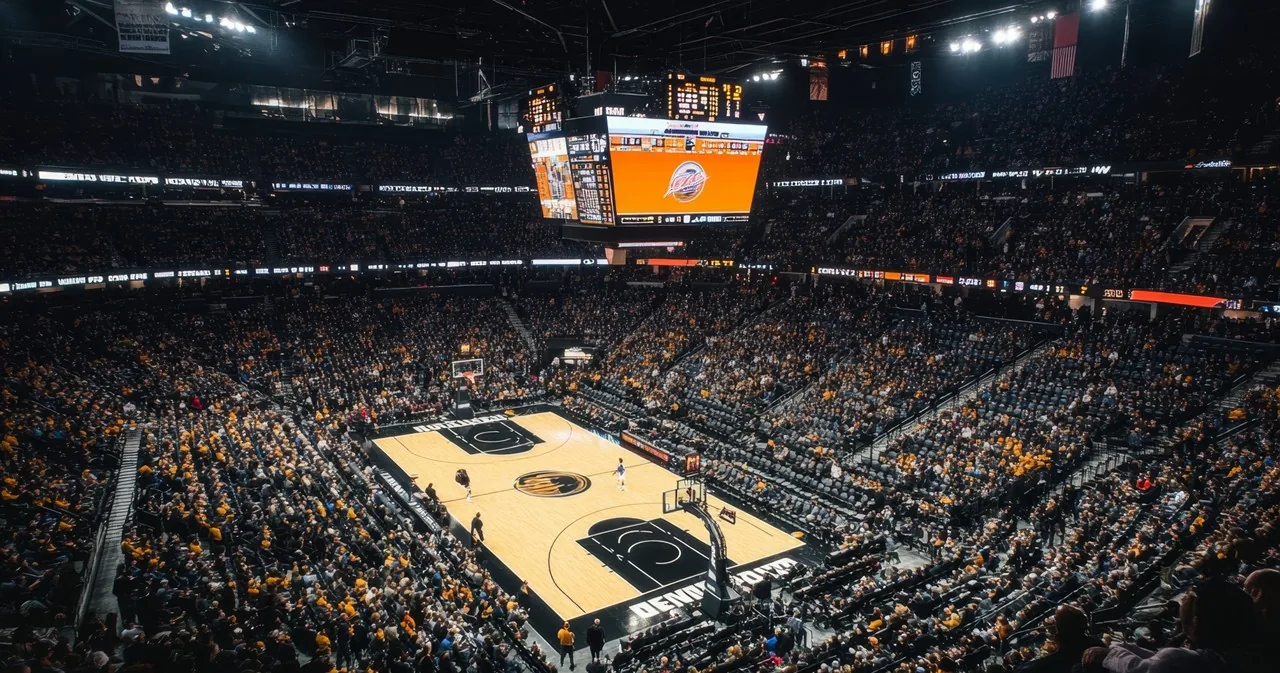










The Minnesota State Senate began the review of legislation that, if approved, would authorize mobile sports betting throughout the state territory under a model that reserves operator licenses exclusively for tribal casino owners. Senate Bill SF 4139, introduced on March 4 and given its first reading on that same date, is part of repeated legislative attempts to establish a regulated sports betting market in the state, after similar proposals failed to advance in previous years.
What Minnesota Senate Bill SF 4139 establishes
The Minnesota legislative text authorizes the state to issue up to 11 licenses for mobile sports betting operators. Each license would have a duration of 20 years and could be renewed according to the rules established by the Department of Public Safety, an agency that is also granted regulatory authority over the sector through its Commissioner.
Among the powers assigned to the Commissioner of Public Safety are the development of accounting standards, the performance of audits, platform testing, and the supervision of the operation of betting accounts. This concentration of regulation in a single agency seeks to ensure consistency and control in a market that, if the law is passed, would be completely new to Minnesota.
Only tribes will be able to operate: eligibility requirements
One of the most defining aspects of SF 4139 is the restriction of eligibility. Only those tribes that already legally conduct Class III gaming in Minnesota casinos, under an approved tribal gaming ordinance, will be able to obtain an operator license. Additionally, the bill limits each tribe to a single operator license and establishes that operators must be exclusively owned and controlled by the tribe.
Applicants must also submit application documentation and implementation plans, and pay an annual license fee of $2.125. Each authorized operator may contract a licensed mobile sports betting platform provider to manage the technical operation, as well as licensed sports betting providers.
The 22% tax: how it works and what it replaces
The most relevant financial aspect of the bill is the proposed tax on net sports betting revenue. The set rate is 22% and would apply to both online bets and online participation fees. Monthly returns would be due on the 20th day of the month following the corresponding period.
Read more Carnival modifies betting habits in Brazil, according to EBAC report
The bill also establishes that this specific tax would replace certain existing state taxes: sports betting income would not be subject to Minnesota corporate income tax, and accepted bets would be exempt from sales and gambling taxes. This tax substitution aims to avoid a double tax burden on tribal operators.
Indigenous lands are exempt from state taxation
SF 4139 draws a clear and deliberate distinction between bets placed outside and inside indigenous lands. Any bet placed on tribal territory would not be subject to the state taxes contemplated in the law, and the bill defines the place of the bet as the physical location of the bettor at the time of placing it.
Along the same lines, the text clarifies that the operator licensing provisions apply only to mobile sports betting operations in Minnesota in general, and do not extend to other tribal gaming registrations or Class III sports betting conducted exclusively on indigenous lands.
A market that Minnesota has not yet been able to open
The introduction of SF 4139 marks a new chapter in a legislative process that has gone years without coming to fruition. Minnesota is one of the few states in the region that still does not have a legal framework for sports betting, despite the United States Supreme Court enabling that possibility at the federal level in 2018. Previous attempts to move in this direction have systematically failed in recent legislatures, partly due to tensions between tribal interests and other sector stakeholders, and partly due to disagreements over the tax model and licensing structure.
The model proposed in SF 4139, which concentrates all licenses in tribal hands and grants them a dominant market position, reflects the political and legal weight that indigenous nations have in defining gaming in Minnesota, and could be the key to achieving the consensus that previous initiatives did not reach.
Read more Netherlands Gambling Authority identifies athletes betting on their own leagues