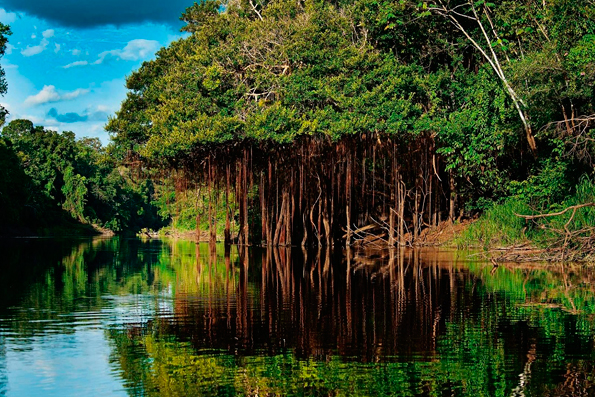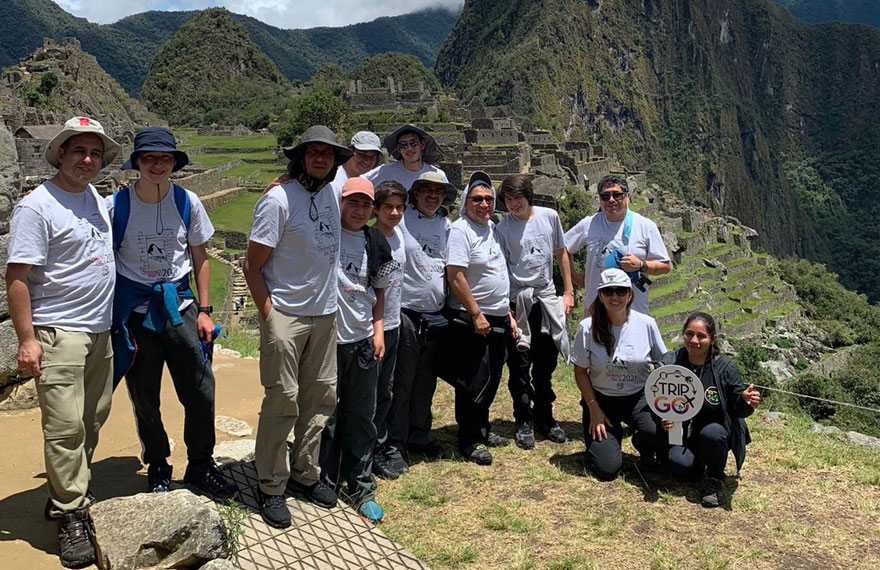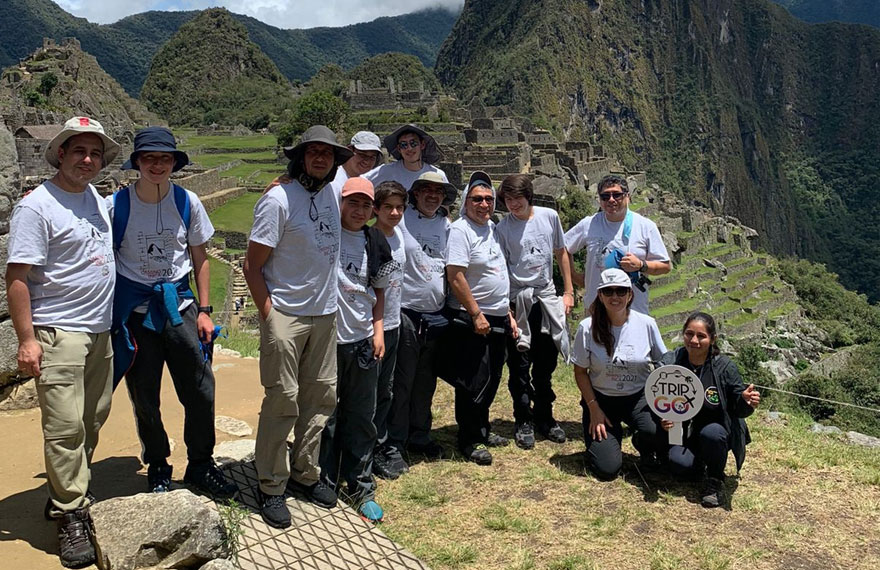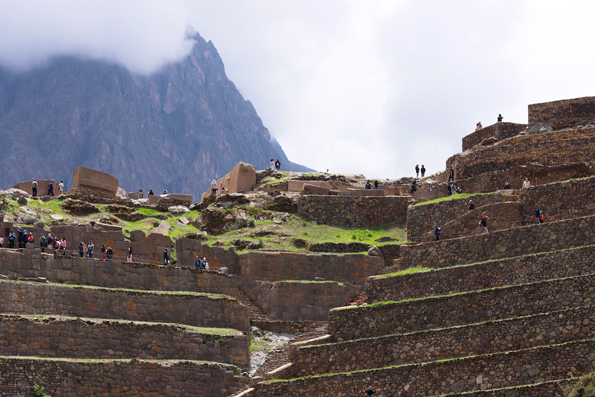









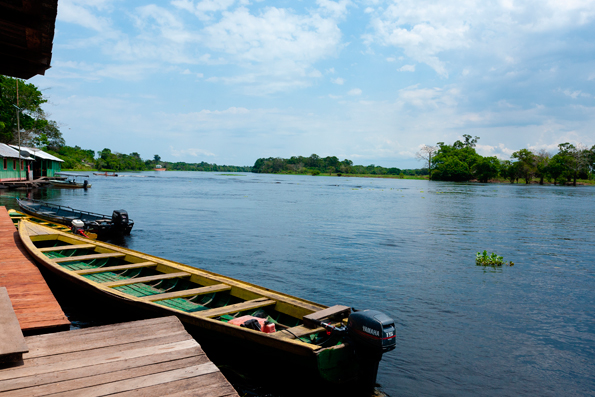
Traveling to the Peruvian Amazon is a unique and enriching experience. Venturing into the Peruvian jungle and witnessing how the geography gives way to a marvelous green landscape of forests and rivers that disappear into the horizon. Therefore, in this report, we will detail all the amazing places that can be visited in the area and surrounding communities to contribute to the reactivation of tourism in the region.
Read also: Betting on the natural
As a destination that boasts great diversity in flora and fauna; the mystical culture of indigenous peoples, and unique landscapes characterized by their dense vegetation, the Amazonas region is included in the top 5 tourist destinations to visit in Peru.
It is surrounded by orchids and inhabited by spectacular species such as the royal sunangel, the spectacled bear, or the mythical Andean cock-of-the-rock. This region holds natural, cultural, and archaeological wonders that were unknown until recently, making it one of the new favorite places for tourism.
GOCTA
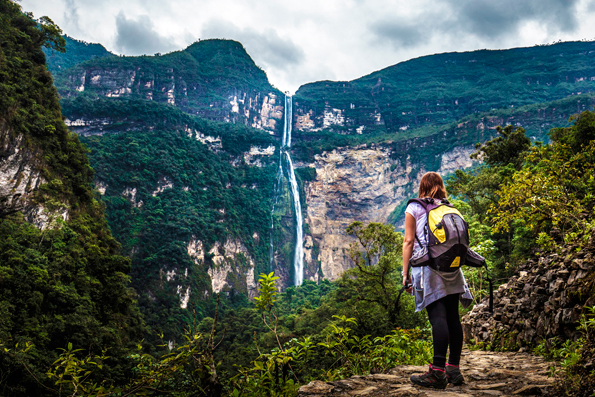
One of the most outstanding destinations is the route to the Gocta waterfall. It involves a series of transfers by bus, horse, and hiking groups from the villages of Cochachimba or San Pablo (the closest towns) to reach one of the highest waterfalls in the world. It is over 700 meters high with a continuous water flow, composed of two cascades, surrounded by abundant vegetation and many animal species, some of which are endangered.
This waterfall is frequented by tourists seeking to connect with a completely natural environment. Public or private transportation does not enter here, so the harmony of flora and fauna can be breathed in every space. And for the same reason that there are no roads or asphalt, accessing the Gocta Waterfall has a certain degree of complexity. However, the journey is completely worthwhile, as witnessing the permanent flow of water is indescribable, and its surroundings are equally spectacular: multicolored orchids and vegetation everywhere, over 110 species of birds, and woolly monkeys or spectacled bears inhabit this part of the jungle.
Following its discovery in 2002, the first legends linking the waterfall to mythology also emerged. One that gained significant traction over the years was the story of a siren with golden hair who scared away visitors to the Amazon. This woman resided in the lagoon at the base of the waterfall, tasked with protecting a brilliant treasure, and those unfortunate enough to get close would disappear.
KUÉLAP
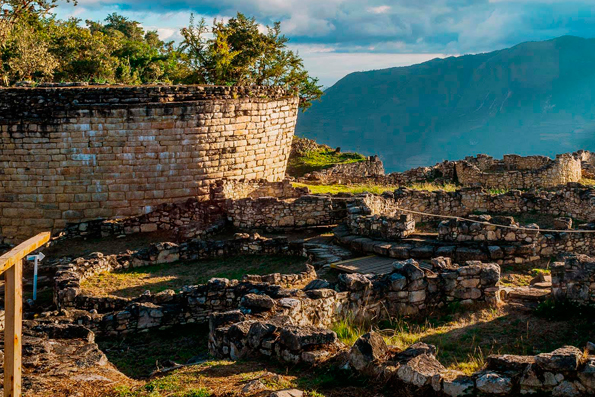
Another of its emblematic attractions is the fortress of Kuélap, where the origins of the Chachapoyas, one of Peru’s most important cultures, can be seen. An impressive fortress dating back to approximately the 11th century and located at 3000 meters above sea level. Kuélap is an architectural gem built by the inhabitants of ancient Peru, notable for the perfection of its finishes, the monumental size of its buildings, and the complexity of accessing it. But now, this imposing stone construction can be reached by bus and on foot (from the La Malca tourist stop). In addition to viewing the remains of this majestic structure from the outside or from the air, thanks to the installed cable cars, you can wander through its streets, alleys, and plazas to appreciate the stunning surrounding landscapes.
For trekking enthusiasts, there is still a route to reach this fortress on foot. But for those more interested in the history and ancestral culture of the Chachapoyas, they can also access the Fortress via its cable cars. It will only take 20 to 25 minutes to reach this place steeped in history and tradition.
Read also: Perú: Best destinations in spring
KARAJÍA
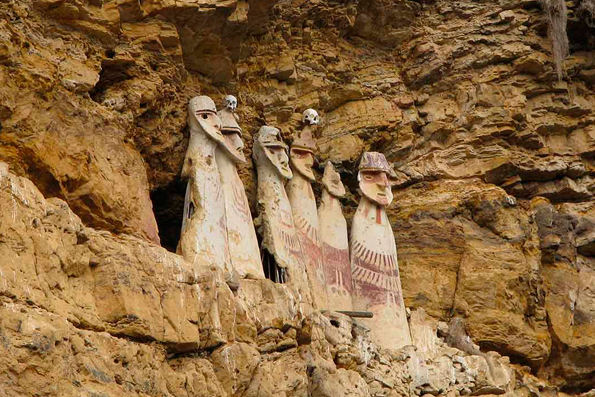
In the Sarcophagi of Karajía, monumental anthropomorphic tombs, also called purunmachos, can be found, guarding the area from the mountain heights. These capsules still contain mummies with funerary trousseaus and date back over a thousand years.
The purunmachos, or “wise men,” are perfectly aligned, like birds watching from a cliff top. They are there, at the summit of the mountain, facing the sun, protecting the living from above, as evidence of this culture’s great respect for their deceased.
However, observing them from afar raises the question of how they got there. These monumental sarcophagi are associated with the Chachapoyas culture. In this locality, handicrafts related to this tradition and their alignment facing the sun, which are still subjects of study, are also sold.
LEYMEBAMBA MUSEUM
This is another tourist attraction that houses over 200 mummies and funerary offerings that were found, by chance, in the cave of the condors in 1996. The mummies belong to the Chachapoyas culture and show how they buried their ancestors.
Following this accidental discovery, the Mallqui Center promoted intensive work to preserve an invaluable archaeological collection for history, where one can appreciate firsthand the close relationship the Chachapoyas had with their ancestors. Impressive.
SUPPORTING TOURISM
Indecopi has also developed a virtual guide, “Ruta segura Río Amazonas” (Safe Route Amazon River), supported by the Ministry of Foreign Trade and Tourism (Mincetur). This tool aims to provide important and useful information so that visitors to the Amazon River can have the best possible experience.
The virtual guide provides information to national and foreign tourists about consumer rights and tips for a safe trip when visiting the main tourist destinations in the region, such as the Pacaya Samiria National Reserve and the Amazon River. The latter have been classified into four tourist routes: Ancestral Culture, Amazon Adventure, City Tours, and Conservation and Biodiversity. Likewise, the “Ruta segura Río Amazonas” document contains data on formal service providers for land transportation, accommodation, restaurants, among others. Additionally, tourists will have access to the Complaints Book, where they can register their complaints or disagreements. It is worth noting that the Regional Directorate of Foreign Trade, Tourism, and Handicrafts of Loreto and Iperú, and the Directorate of Tourism Facilitation and Tourist Culture of Mincetur also participated in the development of the virtual guide.
Read also: Las Vegas: Majestic city