








The International Olympic Committee (IOC) has canceled its agreement with Saudi Arabia to host the Olympic Esports Games, just one year after signing a contract that was set to run until 2037. The decision marks an unexpected shift in the relationship between the Olympic movement and esports, while the Saudi kingdom maintains its ambitious push into the industry.
Read also: Games of the Future 2025: Abu Dhabi closes tournament with over 850 competitors
A brief alliance and an unexpected breakup between the IOC and Saudi Arabia
In July 2024, the IOC and the Saudi Olympic and Paralympic Committee signed a historic twelve-year agreement granting Riyadh the rights to host the Olympic Esports Games from 2025 to 2037. The first edition, initially planned for 2025, was later postponed to 2027. However, following a recent review, both parties decided to terminate the alliance by mutual agreement.
The IOC explained that the separation will allow each organization to “pursue their own ambitions in the esports arena on separate paths.” This move surprised both the sports industry and the gaming sector, who saw this collaboration as a significant step towards legitimizing esports within the Olympic framework.
New Olympic strategy for esports
The international sports governing body announced that it is developing a new strategy for the Olympic Esports Games, aiming to hold the first edition “as soon as possible.” According to the official statement, this change seeks to “better align the Olympic Esports Games with the long-term aspirations of the Olympic Movement” and expand opportunities for international participation.
The IOC noted that the new approach will consider feedback from its “pause and reflect” process, suggesting a deep reconsideration of how to integrate esports into the Olympic framework. The intention is to design a more global, sustainable proposal that is less dependent on a single strategic partner, with a greater emphasis on ethical standards and inclusive participation.
Countries such as France, Singapore, South Korea, and Japan are emerging as potential alternative hosts, due to their established esports infrastructure and human rights records. Even India, whose esports industry surpassed 14 billion rupees in 2024, has expressed interest in participating following its experience in the 2022 Asian Games.
Saudi Arabia reaffirms its commitment
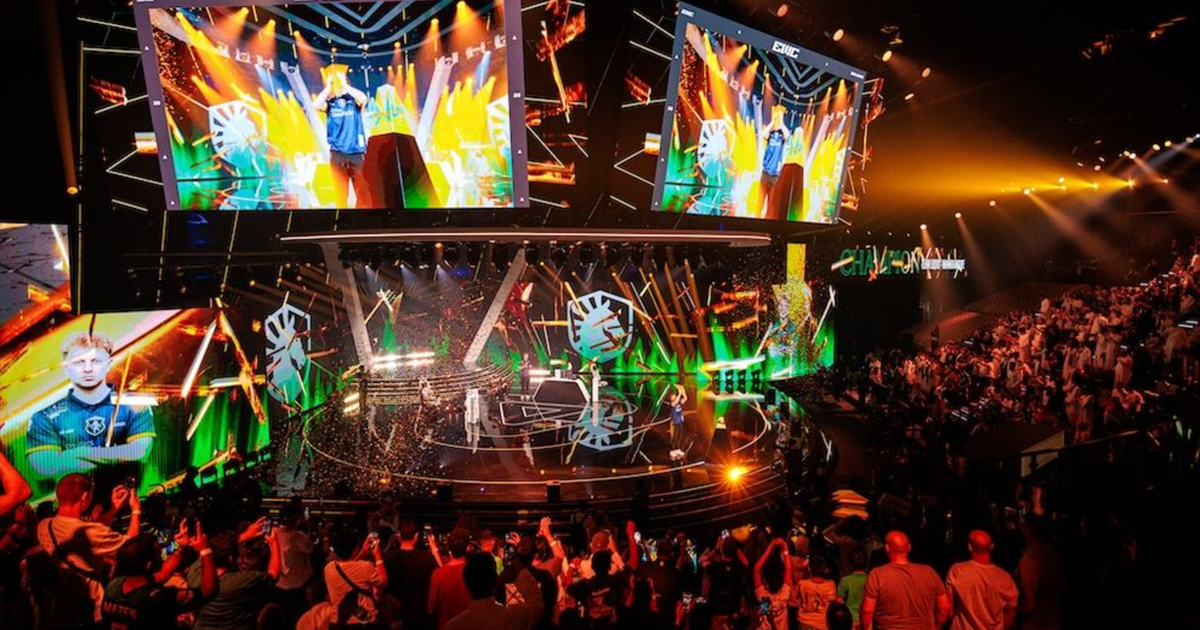
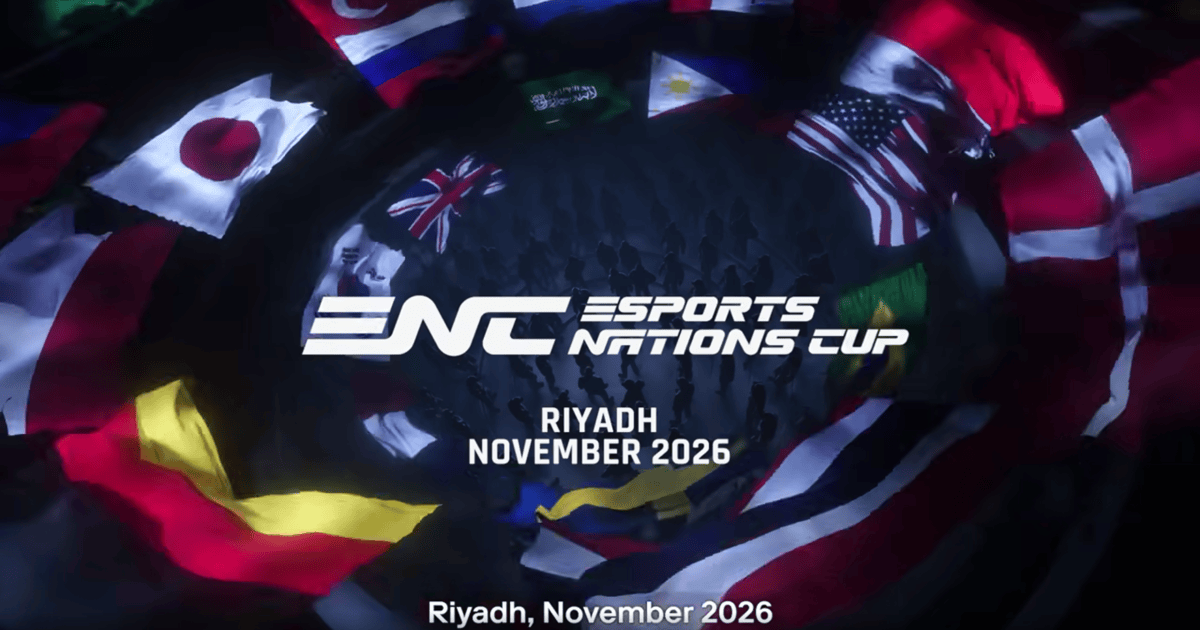
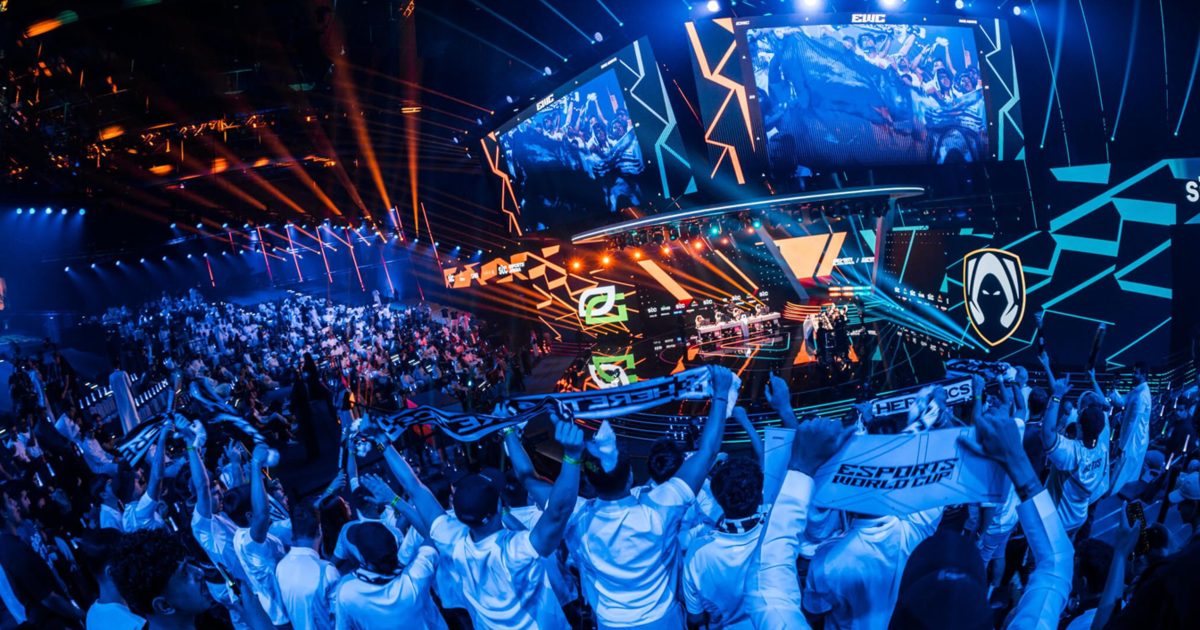
Despite the breakup, Saudi Arabia remains firm in its strategy within the sector. The Esports World Cup Foundation (EWCF), the entity responsible for the largest annual esports event, confirmed that it will continue with its independent projects, including the Esports World Cup, scheduled for November 2026.
Read also: How does China organize an international esports tournament?
“The EWCF will continue to focus on consolidating the success of the Esports World Cup, the world’s largest video game and esports festival,” the organization stated. Furthermore, it affirmed its commitment to creating an “inclusive and sustainable international esports ecosystem,” highlighting that the upcoming World Cup will be “a historic event celebrating national pride, global competition, and the connection between communities.”
Global strategic investments
The cancellation of the agreement with the IOC does not alter Saudi Arabia’s ambitious plan to become a central player in the global video game industry. Through the Public Investment Fund (PIF), the country has made strategic acquisitions and investments in renowned companies such as Take-Two Interactive, Nintendo, and Electronic Arts.
These investments are part of Vision 2030, a strategy driven by Crown Prince Mohammed bin Salman to diversify the Saudi economy and reduce its dependence on oil revenues. The video game and esports sector has been identified as a cornerstone of this transformation, both for its economic potential and its impact on the kingdom’s international projection.
Challenges and criticisms towards Saudi Arabia
The initial alliance faced criticism due to concerns about LGBTQ+ rights and human rights in Saudi Arabia. Some analysts suggest that the IOC sought to avoid political complications by distancing itself from the country. Fundamental differences also arose regarding priorities: while Saudi Arabia prioritized commercial expansion and global reach, the IOC focused on an approach based on sporting and ethical values.
The future of Olympic esports remains open, awaiting a new phase that will define how the ideals of traditional sports will coexist with the digital dynamics of the competitive video game scene.
Read also: Esports World Cup raises the competitive bar with a historic prize