








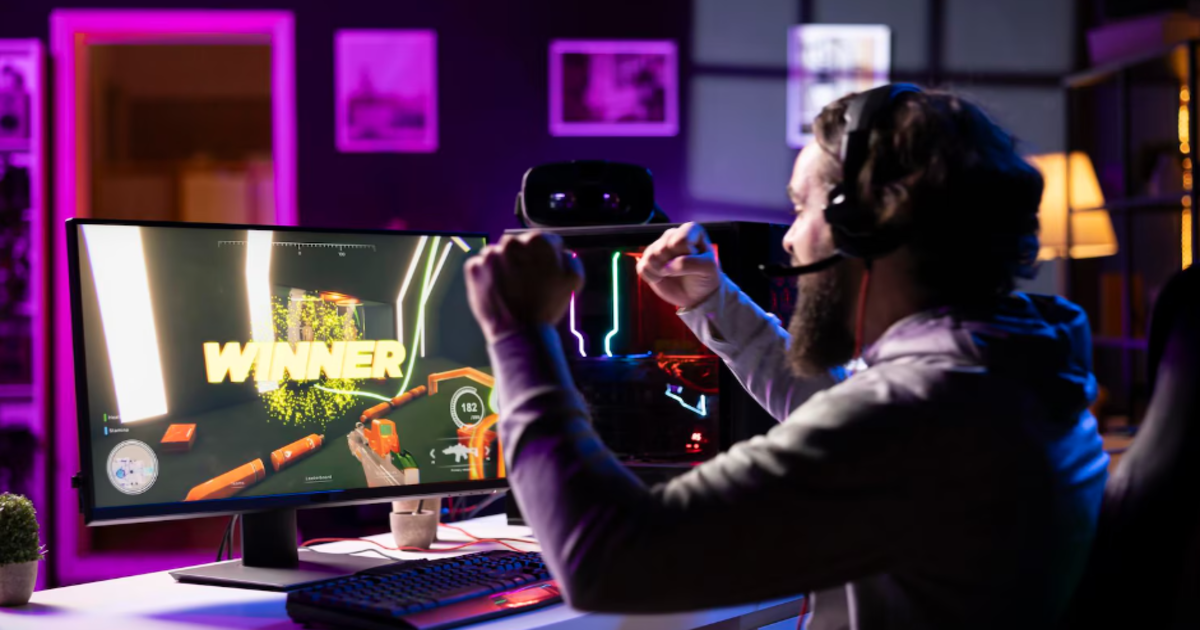
The Congress of Mexico City approved a decree to reform the General Law of Physical Culture and Sport to integrate electronic sports (esports) within the legal framework.
Read also: Mexican market booming for sports betting
Decree officializes esports in Mexico City
The decree, promoted by deputy Federico Chávez Semerena, sought to officially recognize an activity that for years remained in the margins despite mobilizing millions of players, communities, and tournaments throughout the country.
Chávez Semerena explained that the initiative valued the effort of young people, coaches, referees, universities, and gamer communities who drove the growth of esports in Mexico.
Esports demand discipline and formal rules
The deputy from Mexico City stated that video games are no longer a hobby and demand strategy, discipline, training, and teamwork; he also pointed out that esports already have increasingly specialized rules, referees, leagues, and calendars.
Furthermore, he recalled that the International Olympic Committee recognized electronic sports, which opened the possibility of their future inclusion in the Olympic Games.
Read also: Colombia officially recognizes esports as a sports discipline
Protecting health and financing gamer talent
The Mexico City decree proposed to organize the gamer ecosystem, protect the health of competitors, and provide certainty to families, schools, and organizers. It also proposed promoting support and financing programs for the training of new talents and the professionalization of the discipline.
In economic and social terms, the text highlighted that in the first half of 2024, Mexico had 68.7 million gamers and that the sector generated 39.909 billion pesos, with an annual growth of close to 4%, figures that showed the industry’s reach and impact.
Reform promotes gamer education and employment
Congresswoman Adriana Espinosa de los Monteros García supported the reform and pointed out that it will benefit the youth of the capital and provide certainty to digital culture, harmonizing the norm with the reality of the global growth of electronic sports.
Chávez Semerena concluded that Mexico has the talent and infrastructure to host high-level events and that legal recognition could open opportunities in education, innovation, and creative employment.