








Opened in 2016, the Museum of Art, Architecture and Technology in Lisbon is an emblematic cultural space that combines avant-garde design and innovative programming, revitalizing the city’s connection with the Tagus River.
Read also: The return of Fremont Street
In October 2016, Lisbon inaugurated the MAAT in the historic neighborhood of Belém, on the banks of the Tagus River. This museum is part of a plan to reclaim the riverfront, a forgotten space that is now becoming a cultural and urban meeting point. The location, next to the old Central Tejo power station, unites the industrial past with the modernity of a cutting-edge museum.

Architecture reflecting tradition and modernity
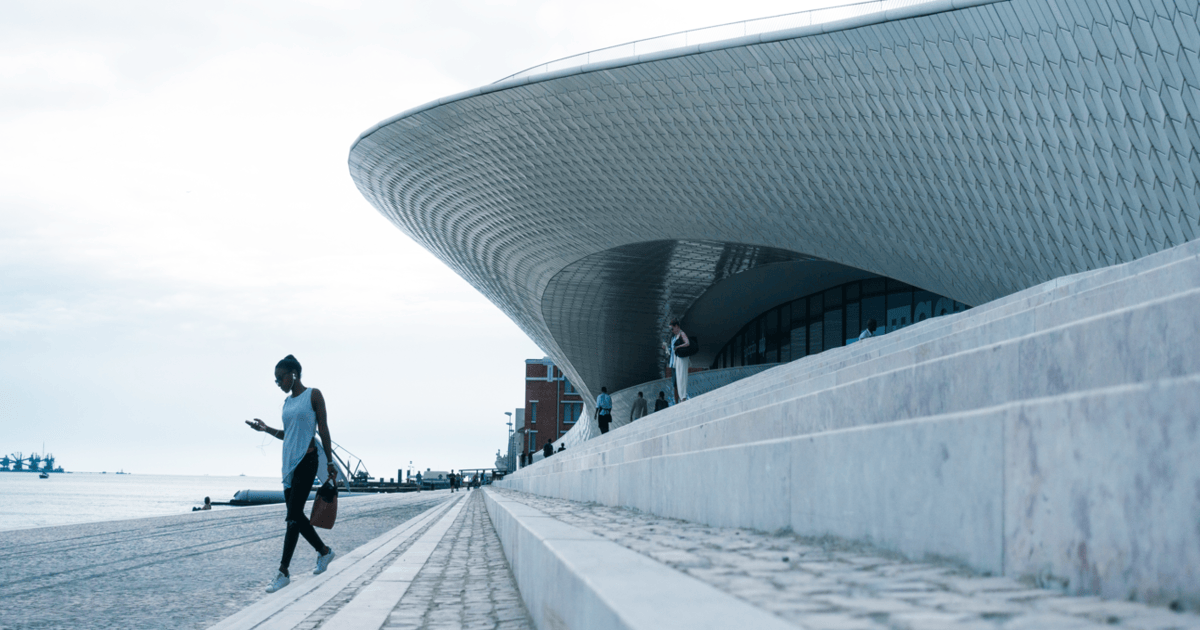
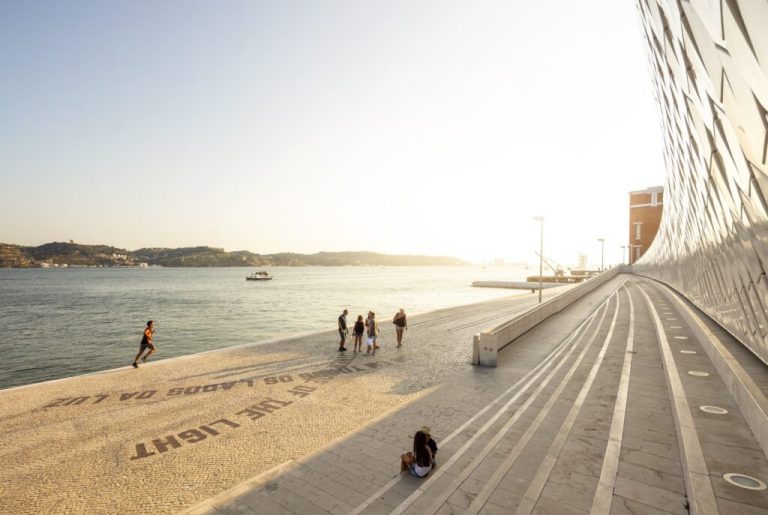
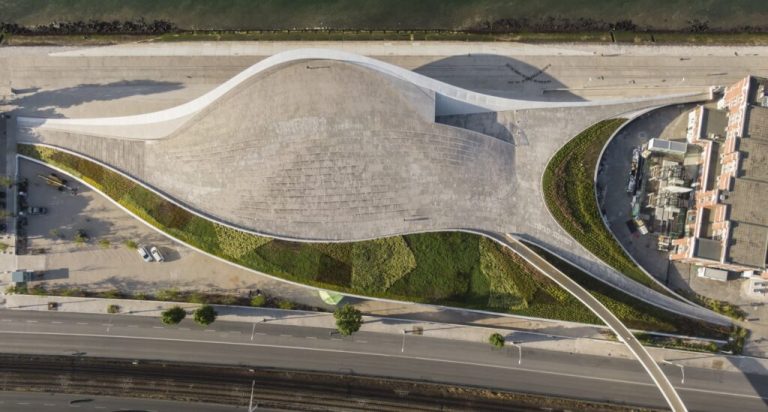
Designed by architect Amanda Levete and her studio AL_A, the MAAT stands out for its undulating form that simulates a white wave. Its facade is covered with almost 15,000 three-dimensional tiles that reflect light and water, paying homage to Portuguese tradition. The building can be explored inside and out, turning its roof into a public square and viewpoint with panoramic views of the river and the city.
A bright and flexible interior
The museum features a main gallery with a large skylight that floods the space with natural light, adaptable for contemporary art and technology exhibitions. The open lobby facilitates large-scale displays and the exploration of new forms of expression through multimedia installations and innovative exhibitions.
The garden: an open-air artistic oasis
One of MAAT’s lesser-known treasures is its garden designed by landscape architect Vladimir Djurovic. This outdoor space, opened in 2017, offers a green oasis where art and nature merge. The garden functions as an extension of the museum, with installations that invite reflection and encounter in a relaxed atmosphere. It also visually and physically connects the building with the city and the river, enhancing the sensory experience of MAAT visitors.

Cultural and social boost in Lisbon
The construction of MAAT was a €20 million investment that marked a decisive shift in the revitalization of the riverfront. More than a museum, it is a space for dialogue and reflection on art, architecture, and technology, attracting numerous visitors each year and establishing itself as a cultural icon.
Urban integration and respect for heritage
MAAT’s design is not only innovative but also respects the surrounding historical and urban context. It integrates harmoniously with nearby historic buildings and the old power station, strengthening the link between the new and the old in the Lisbon environment.
A new symbol of Lisbon and its history
MAAT has transformed the way Lisbon connects with its river and its historical legacy. Like a wave reflecting light and water, it represents the fusion of tradition and innovation, consolidating itself as a must-visit for those who wish to understand the cultural and architectural evolution of the city.
MAAT of Lisbon: art, architecture and technology united in a contemporary icon
Inaugurated in 2016, the Museum of Art, Architecture and Technology of Lisbon is an iconic cultural space that combines avant-garde design and innovative programming, revitalizing the city’s connection with the Tagus River.
Read also: United Arab Emirates: Ras Al Khaimah aims to become the new gaming tourism destination
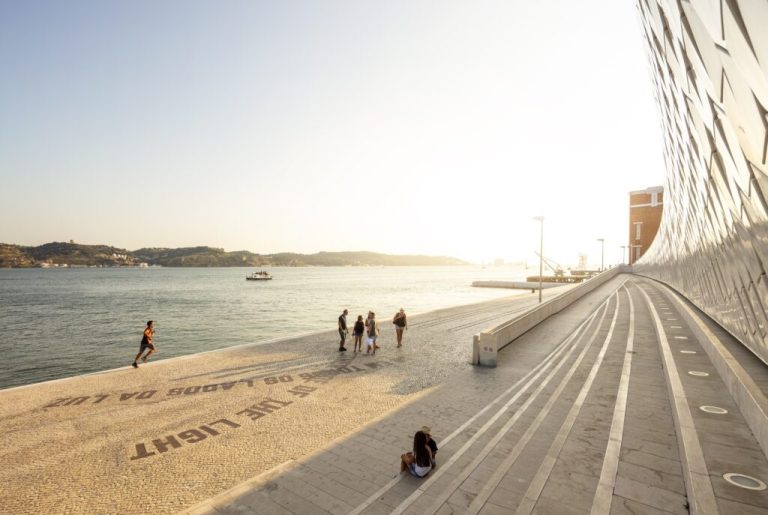
In October 2016, Lisbon inaugurated the MAAT (National Institute of Technology) in the historic neighborhood of Belém, on the banks of the Tagus River. This museum is part of a plan to recover the riverfront, a forgotten space, now transformed into a cultural and urban meeting point. The location, next to the old Central Tejo power station, unites the industrial past with the modernity of an avant-garde museum.

Architecture reflecting tradition and modernity
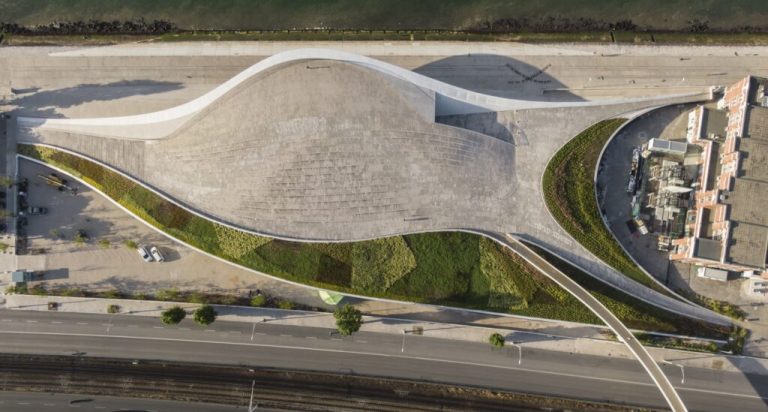
Designed by architect Amanda Levete and her studio AL_A, the MAAT stands out for its undulating form, reminiscent of a white wave. Its facade is clad with almost 15,000 three-dimensional tiles that reflect light and water, paying homage to Portuguese tradition. The building allows visitors to explore both the interior and exterior, transforming its roof into a public square and observation deck with panoramic views of the river and the city.
A bright and flexible interior
The museum features a main gallery with a large skylight that floods the space with natural light, adapting to exhibitions of contemporary art and technology. The open lobby facilitates large-scale exhibitions and the exploration of new forms of expression through multimedia installations and innovative displays.
The Garden: An Outdoor Artistic Oasis
One of MAAT’s lesser-known treasures is its garden, designed by landscape architect Vladimir Djurovic. This outdoor space, open since 2017, offers a green oasis where art and nature merge. The garden functions as an extension of the museum, with installations that invite reflection and encounter in a relaxing atmosphere. It also visually and physically connects the building with the city and the river, enhancing the sensory experience of MAAT visitors.

Cultural and social impulse in Lisbon
The construction of MAAT represented an investment of €20 million and marked a decisive change in the revitalization of the waterfront. More than a museum, it is a space for dialogue and reflection on art, architecture, and technology, attracting numerous visitors each year and establishing itself as a cultural icon.
Urban integration and respect for heritage
MAAT’s design is not only innovative but also respects the surrounding historical and urban context. It integrates harmoniously with nearby historic buildings and the old power plant, strengthening the connection between the old and the new in the Lisbon surroundings.
A new symbol of Lisbon and its history
MAAT has transformed the way Lisbon connects with its river and its historical legacy. Like a wave that reflects light and water, it represents the fusion of tradition and innovation, consolidating itself as a must-visit for those who wish to understand the cultural and architectural evolution of the city.
Read also: European temples of chance