








The oldest neighborhood in Lisbon not only captivates with its historical and cultural value but also drives the local economy through heritage tourism and the living traditions it preserves.
Alfama, known as the historic heart of Lisbon, is a space where time stands still to showcase centuries of Portuguese history, culture, and traditional life. This neighborhood, stretching from the banks of the Tagus River to São Jorge Castle, unfolds a unique atmosphere that attracts millions of tourists annually. Below, we detail the tourist importance and economic potential of this emblematic place.
Read also: MAAT de Lisboa: art, architecture and technology united in a contemporary icon
A walk through the living history of Alfama
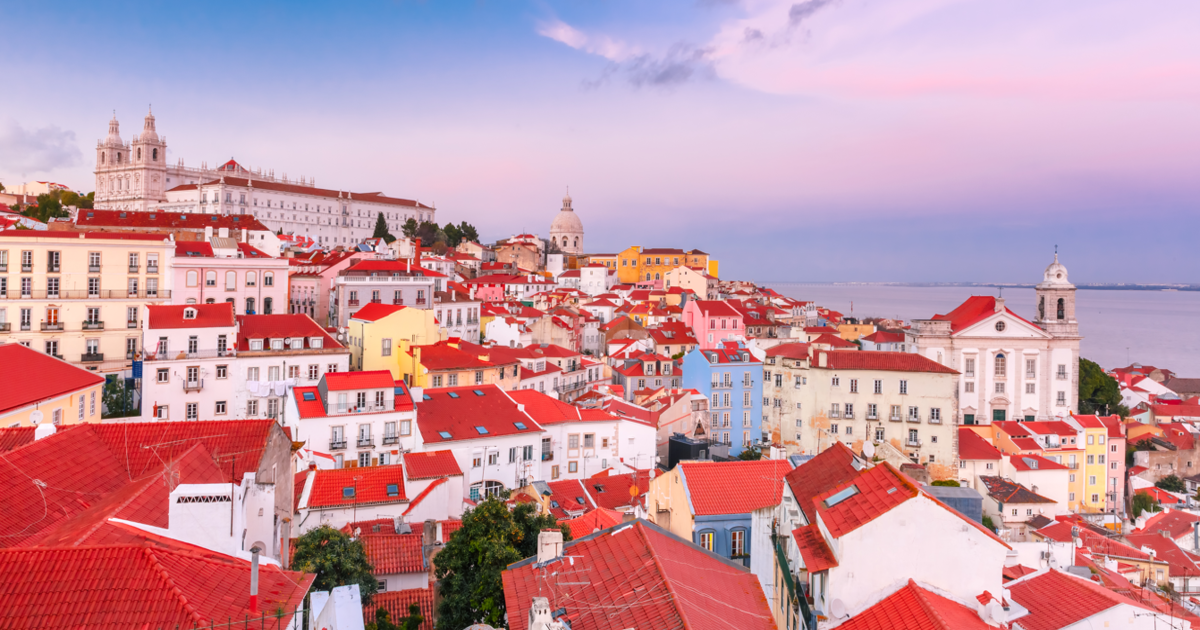
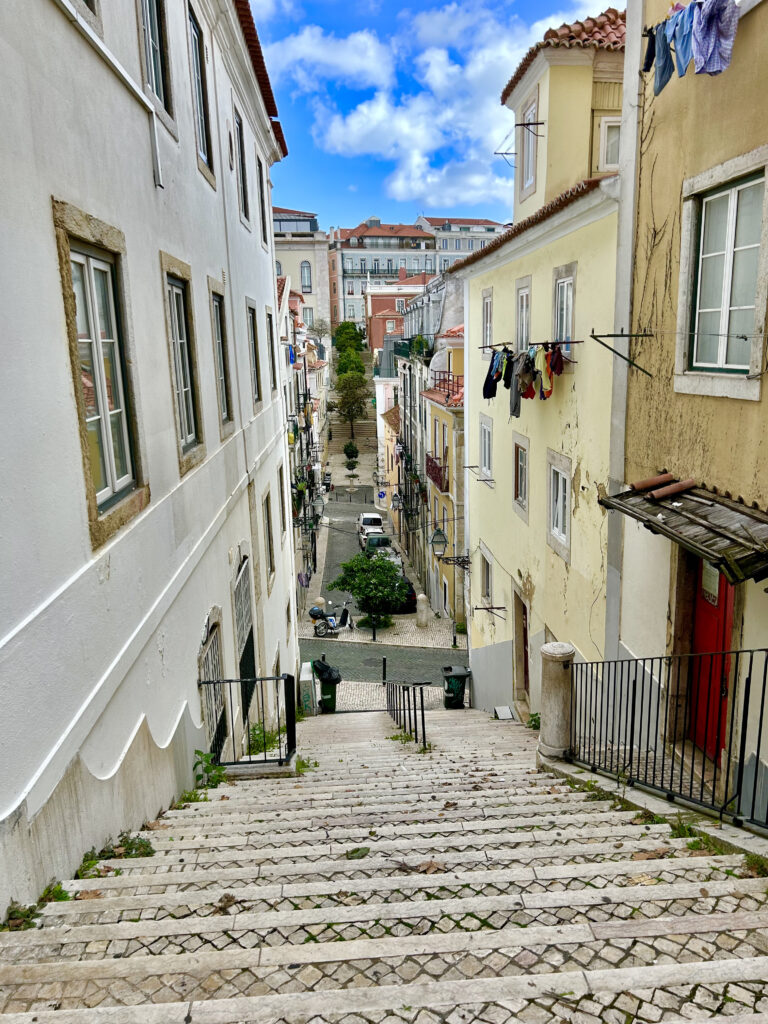
Alfama is characterized by its ancient urban layout, with narrow cobblestone streets, staircases, and viewpoints offering unforgettable postcards of Lisbon. It is the oldest neighborhood in the city, with roots dating back to the Visigothic and Muslim eras. Its architectural heritage includes gems such as Lisbon Cathedral, the Church of Santo António, and, of course, the imposing São Jorge Castle, which not only dominate the skyline but are also essential tourist spots.
Furthermore, Alfama is a haven of living traditions where fado music resonates in every corner, especially in the small tascas and fado houses that keep this Portuguese cultural expression vibrantly present. These musical and culinary traditions, along with its popular festivals, mainly those dedicated to Saint Anthony, make Alfama a culturally rich destination that invites experiential tourism.

Tourism as an economic engine of Alfama
Tourism in Alfama generates a significant economic impact. The massive arrival of visitors drives a commercial ecosystem based on boutique hotels, restaurants, craft shops, and cultural tours concentrated in the neighborhood. This dynamic favors the local economy by creating direct and indirect jobs that support many families.
Moreover, this tourist flow has encouraged the rehabilitation of housing and public spaces, contributing to the urban improvement of the area without losing its original essence, which in turn attracts investment and diversifies the neighborhood’s tourist offerings. The balance between preserving historical identity and fostering economic development is key to maintaining the sustainability of tourism in Alfama.
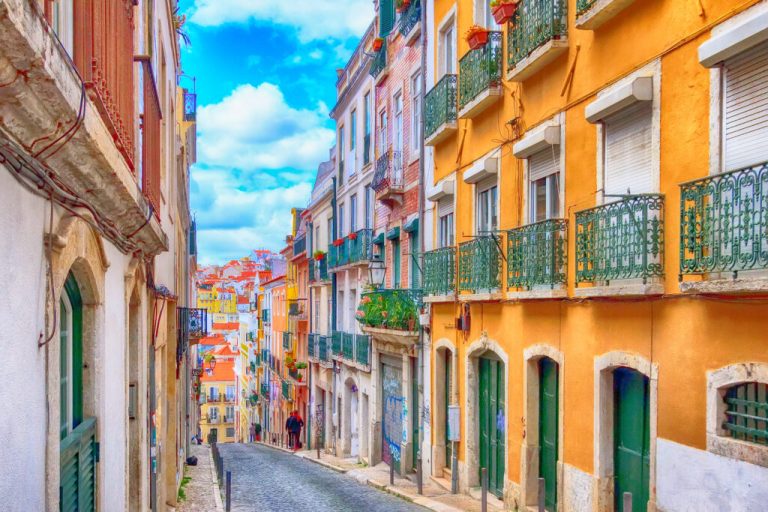

Challenges and opportunities for the future
While Alfama represents a consolidated tourist attraction, it faces challenges common to highly visited historical areas, such as gentrification and pressure on local infrastructure. Careful tourism management is essential to ensure that economic benefits do not compromise the quality of life of its residents or its cultural heritage.
On the other hand, promoting cultural events and diversifying tourist offerings, such as gastronomic experiences, themed tours, and interactive activities related to Lisbon’s history, can further enhance the neighborhood’s economic value. Strengthening responsible and sustainable tourism is vital to ensure that Alfama continues to be a living symbol of Lisbon with lasting economic benefits.
Alfama is not just a tourist destination but a space where history and culture combine to generate economic and social development. The tourist importance and economic potential of this neighborhood lie in its ability to offer visitors an authentic and enriching experience, while simultaneously supporting the local economy and promoting heritage conservation. Thus, Alfama remains a focal point for Lisbon, a neighborhood whose essence and vitality continue to set the city’s pulse.
This balance between tourism, economy, and culture is the key to Alfama’s sustainable future and a model to be followed by other historic cities.
Alfama, the tourist and economic soul of Lisbon
The oldest neighborhood in Lisbon not only captivates with its historical and cultural value but also drives the local economy through heritage tourism and the living traditions it preserves.
Read also: The return of Fremont Street
Alfama, known as the historic heart of Lisbon, is a space where time stops to showcase centuries of history, culture, and traditional Portuguese life. This neighborhood, which extends from the banks of the Tagus River to São Jorge Castle, displays a unique atmosphere that attracts millions of tourists annually. Below, we detail the tourist importance and economic potential of this emblematic place.
A walk through the living history of Alfama
Alfama is characterized by its traditional urban layout, with narrow cobblestone streets, staircases, and viewpoints offering unforgettable views of Lisbon. It is the oldest neighborhood in the city, with roots dating back to the Visigothic and Muslim eras. Its architectural heritage includes treasures such as Lisbon Cathedral, the Church of Santo António, and, of course, the imposing São Jorge Castle, which not only dominate the skyline but are also unmissable tourist spots.
In addition, Alfama is a refuge of living traditions, where fado music resonates in every corner, especially in the small tascas and fado houses that keep this Portuguese cultural expression alive. These musical and culinary traditions, along with its popular festivals, mainly those dedicated to Saint Anthony, make Alfama a culturally rich destination, inviting experiential tourism.
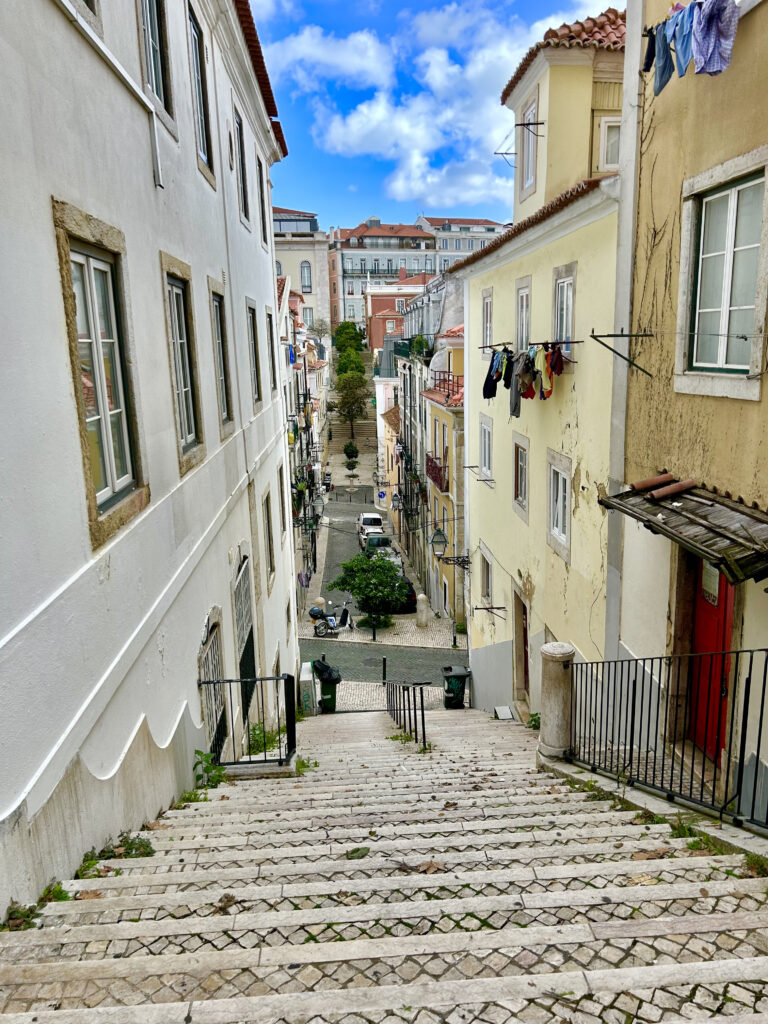

Tourism as an economic engine
Tourism in Alfama generates a significant economic impact. The massive flow of visitors fosters a commercial ecosystem based on boutique hotels, restaurants, craft shops, and cultural tours concentrated in the neighborhood. This dynamic boosts the local economy, creating direct and indirect jobs that support many families.
Furthermore, this tourist flow has encouraged the renovation of homes and public spaces, contributing to the urban improvement of the area without losing its original essence. This, in turn, attracts investment and diversifies the neighborhood’s tourist offerings. The balance between preserving historical identity and fostering economic development is fundamental to maintaining the sustainability of tourism in Alfama.
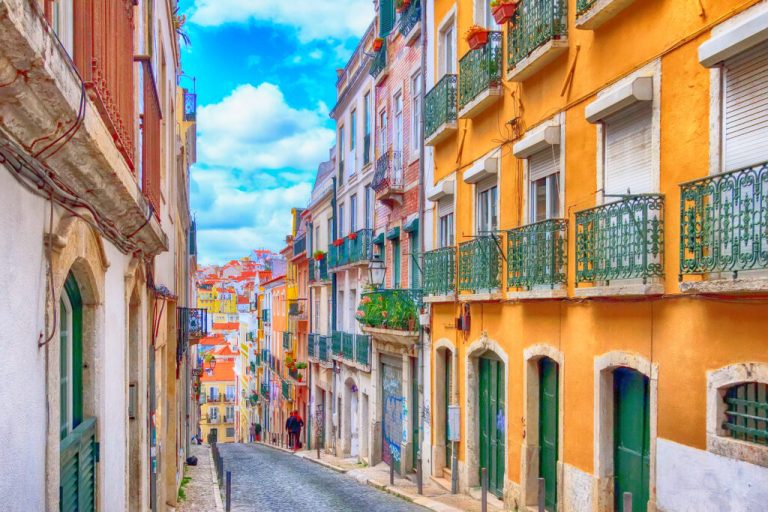

Challenges and opportunities for the future
Although Alfama is a consolidated tourist attraction, it faces challenges common to highly visited historical areas, such as gentrification and pressure on local infrastructure. Careful tourism management is essential to ensure that economic benefits do not compromise the quality of life of its residents or its cultural heritage.
On the other hand, promoting cultural events and diversifying the tourist offer, such as gastronomic experiences, themed tours, and interactive activities related to Lisbon’s history, can further increase the neighborhood’s economic value. Strengthening responsible and sustainable tourism is vital to ensure that Alfama continues to be a living symbol of Lisbon, with lasting economic benefits.
Alfama is not just a tourist destination but a space where history and culture unite to generate economic and social development. The importance of tourism and the economic potential of this neighborhood lie in its ability to offer visitors an authentic and enriching experience, while at the same time supporting the local economy and promoting heritage preservation. Thus, Alfama continues to be a focal point of Lisbon, a neighborhood whose essence and vitality continue to mark the city’s pulse.
This balance between tourism, economy, and culture is the key to Alfama’s sustainable future and a model to be followed by other historic cities.
Read also: United Arab Emirates: Ras Al Khaimah aims to become the new gaming tourism destination